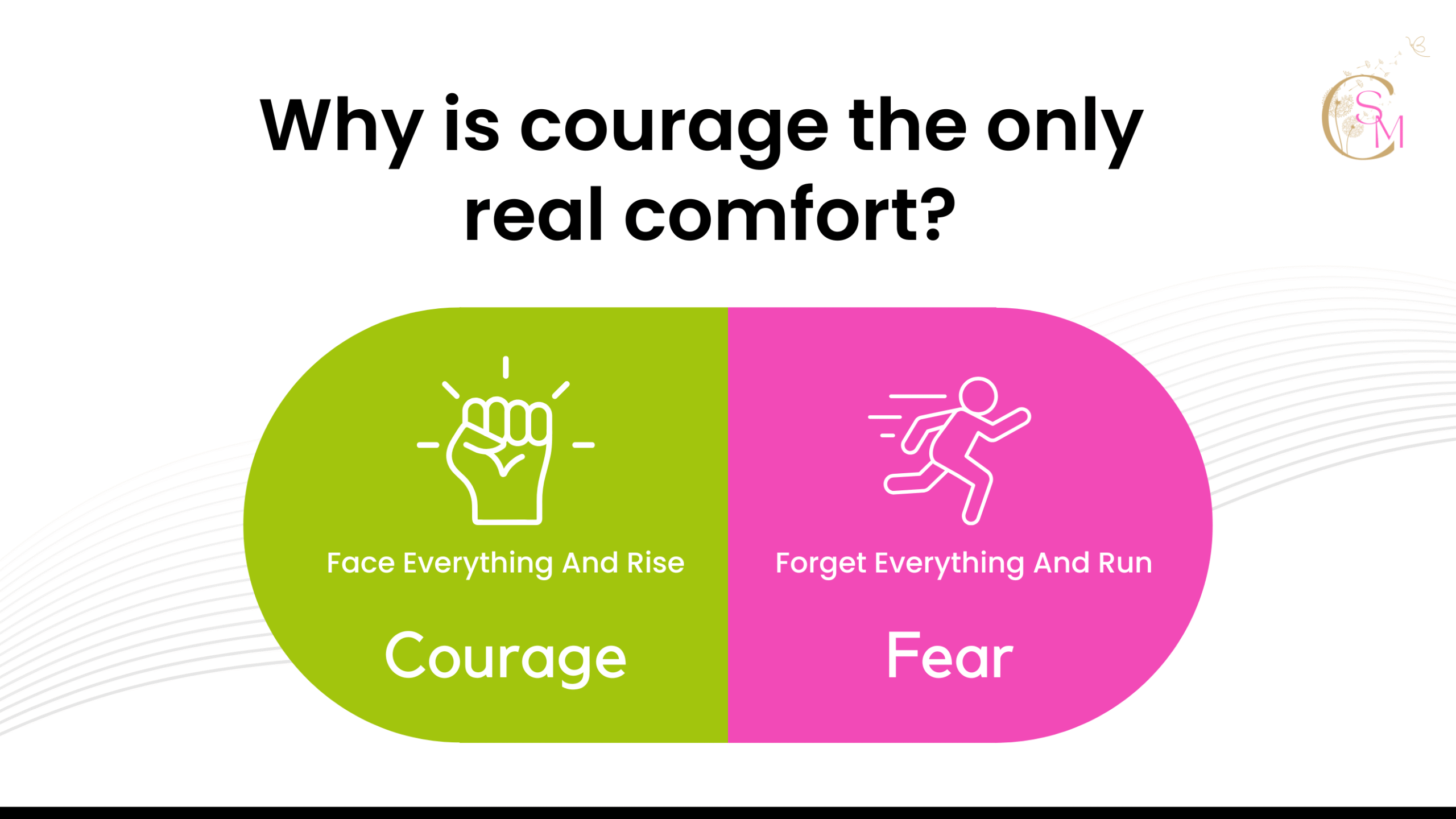
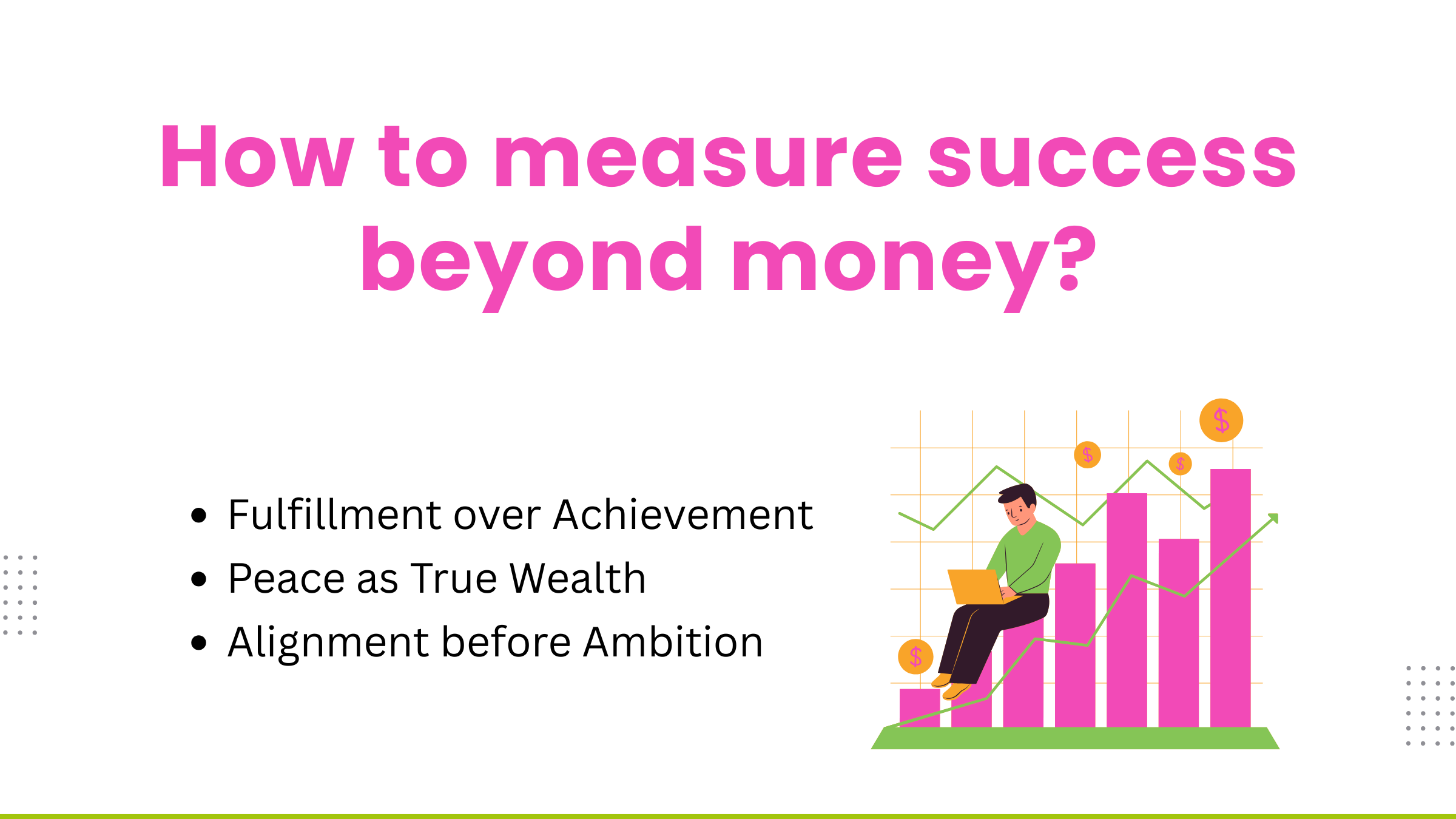
When image becomes the metric, meaning begins to fade. When money becomes the measure, fulfillment quietly disappears.
The hidden equation of “success”
Recently, I facilitated a Success Essence session for a global beauty and wellness conglomerate, guiding senior female leaders from across continents women who live at the intersection of creativity, business growth, and cultural influence. It was the end of the year, a time when the pressure to prove one’s worth often peaks. The air was heavy with memories of recent restructures and layoffs, reminders of how fragile even the most established careers can feel. I was invited to explore a question that had been echoing through the organization: How can we stay connected to success in uncertainty and under pressure?
As the conversation began, every definition of success pointed outward. It was about completing daily goals, achieving performance metrics, and managing the delicate balance between professional excellence and personal life. The women spoke with conviction, yet underneath their words, I could sense an invisible fatigue, the kind that comes from constantly performing achievement.
So, I asked them to go one layer deeper. What do you really want to feel through these results? What do you believe success will finally give you? For a moment, the room grew still. The silence that followed wasn’t empty; it was revealing. Because beneath every target, every milestone, and every raise, what we’re truly chasing isn’t money, applause, or recognition. It’s the feeling of peace after effort, the sense of worthiness without condition, the quiet belonging that doesn’t depend on titles or outcomes.
And in that silence, many realized that the definition of success they had been living wasn’t wrong, it was simply incomplete.

The money mirage
Among all the external markers of success, money remains the loudest and the least questioned. When I was a team leader, I used to dread performance-review season because everyone wanted the same thing: a raise or a promotion. Even when I believed my entire team had done phenomenal work, the system demanded that I grade on a curve. The message was unmistakable success equaled more money, and more money meant a better future. It didn’t take long before my sense of worth became entangled with my income. Family praised my career, strangers admired how “put-together” I seemed, and somewhere along the way, I began to confuse visibility with value. So when I finally left corporate life, giving up that safety net was terrifying. It wasn’t just about losing money it was about losing an identity I had spent years perfecting.

“When money defines success, we lose the meaning of creation.”
The burnout behind the balance sheet
Over the years, I’ve worked with high-achieving executives and entrepreneurs who, despite their impressive titles and growing bank accounts, confessed to feeling a quiet emptiness inside. They had reached the milestones that once seemed like proof of success, yet the satisfaction never lasted. Underneath the pursuit for “more” more clients, more revenue, more recognition lived a whispering doubt: Maybe I’m still not enough.
That single belief becomes the silent engine of burnout. It turns ambition into compulsion. The long hours begin to feel normal, the constant comparison becomes a daily ritual, and the fear of slowing down feels more dangerous than exhaustion itself. They tell themselves it’s just a busy season, but the truth is, it’s become a way of life, one that drains their vitality, dulls their creativity, and replaces inspiration with anxiety.
When success is measured only by outcomes, the self slowly disappears behind the scorecard. And ironically, the harder we push to prove our worth, the further we drift from the joy, peace, and meaning that once made the work feel alive. This is the quiet paradox of modern achievement: the more we chase fulfillment outside ourselves, the less we feel it within.

What’s truly missing?
What’s missing in most success stories isn’t money, it’s wholeness. It’s the quiet knowing that we are already complete before any title, paycheck, or applause validates us.
One of my clients, a brilliant entrepreneur, built her business from the ground up driven by the need to prove her worth. She believed that financial success would finally bring her the love and recognition she had longed for. But what came instead was burnout, recurring conflict with partners, and a growing sense of emptiness she couldn’t name.
When she finally sold that business and began aligning her work with what she truly valued, everything changed. Not long after, she was invited to lead as the Global Head of a luxury brand with full relocation support and even a self-growth plan built into her new role.
The difference? She stopped chasing success as something to achieve and started embodying it as something to be. That shift from proving to being from striving to wholeness is where real fulfillment begins.

A new way to measure success
Take a deep breath and ask yourself: what do I believe money will truly give me? Is it safety, freedom, recognition, or perhaps a quiet sense of being enough? If I pause and look closely, can I begin to feel that very emotion now, even before the outcome arrives? Because the truth is, what we can see, we already hold within us. The qualities we associate with success, respect, security, joy, worthiness are not distant destinations but inherent states waiting to be remembered. When we stop chasing these experiences through external validation, we begin to realize that fulfillment is an inner frequency, not an external milestone.
Seeing yourself as whole does not mean giving up ambition; it means creating from a place of wholeness rather than lack. It’s a shift from proving to expressing, from striving to allowing. When success flows from inner sufficiency, money and recognition still come but they no longer define who you are. They simply mirror the fullness that already exists within. And in that space, success becomes sustainable, soulful, and deeply human not something to chase, but something to live.

Wholeness is the new wealth
When success is rooted in wholeness, its rhythm feels entirely different. You stop moving from urgency and begin to move from inner alignment. Every choice, every action starts to emerge from inspiration rather than fear. The external world no longer dictates your sense of worth; it simply mirrors the quality of your inner state. The pressure to prove dissolves, replaced by a quiet knowing that you are already enough. From this space, opportunities arrive with greater ease because you’re not forcing outcomes you’re allowing what resonates to unfold. Even in times of uncertainty, you remain anchored; external fluctuations lose their power to shake your foundation because your stability now comes from within.
In this new paradigm, money becomes a mirror. It reflects your energy, creativity, and clarity, but it no longer defines your value. You begin to see that abundance is not a goal to reach but a state to embody. The flow of wealth, love, and opportunity follows naturally when you’re living from this fullness. So ask yourself with gentle honesty: what does extraordinary truly mean for me? What kind of life feels deeply alive, free, and meaningful and how do I wish to create it? Because real wealth is not measured by accumulation or applause; it’s revealed through the depth of your presence, the joy you experience in your own becoming, and the love that infuses everything you create.
When wholeness becomes your foundation, success becomes inevitable not as a trophy to display, but as a reflection of a life fully lived.
Let’s continue the dialogue
What does wholeness mean in your definition of success? When was the last time you felt fulfilled without needing to prove it? What would shift in your life if you started measuring success by peace, not paychecks?
Lead from trust instead of tension.
Start your journey inward — book your Love Discovery Call.
– Authored by Shuang Min Chang